Carry Less, Hear More: A Slow Traveler’s Guide to Long-Stay Essentials

Slow travel rewards patience and clarity, so today we focus on minimalist long-stay packing for slow travelers who prioritize great sound. Together we will build an ultralight, durable setup that leaves space for joy: compact ANC headphones or refined IEMs, pocketable DACs, universal chargers, simple laundry rhythms, and cozy acoustic tweaks for rentals. Expect practical checklists, tiny habits, and real stories. Share your own listening discoveries, favorite playlists for train windows, and trusted packing tricks so our community grows wiser, lighter, and richer in beautiful audio.

The Core Kit: Clothing, Comfort, and Space for Audio

A smart capsule wardrobe frees liters and grams for the gear that elevates every day: your headphones, earbuds, and tiny audio helpers. By leaning into breathable layers, merino basics, and quick-dry pieces, you cut bulk without sacrificing comfort across climates. That extra capacity becomes sonic freedom, whether you prefer plush over-ears for flights or discreet in-ears for café writing. We will balance durability, style, and packability, so your bag remains light, organized, and ready for new neighborhoods, long rentals, and serendipitous music moments on unfamiliar streets.

Sound First: Choosing the Right Listening Gear

Prioritizing sound does not mean lugging a studio. It means selecting gear that pulls long-stay duty across contexts: planes, cafés, co-working, parks, and quiet rentals. Over-ear ANC delivers immersion and relief on transit days. Compact IEMs vanish during errands while preserving detail. A coin-sized DAC or Bluetooth adapter unlocks cleaner audio from phones or laptops. Understanding impedance, comfort, and tip fit is as crucial as driver technology. We will match gear to routines, so your kit remains featherlight yet emotionally expansive through months of wandering.

Protect, Power, and Charge Without Clutter

Long stays demand quiet confidence in your power plan and protective cases. Embrace a universal adapter with interchangeable plugs, a slim GaN charger with multiple ports, and a single braided USB-C cable plus short adapters for legacy devices. A small, high-quality power bank keeps listening alive during bus terminals and surprise delays. Cable ties and color coding avoid late-night tangles. Purposeful protection—hard cases for headphones, soft pouches for IEMs—prevents heartbreak. With charging settled, your evenings shift toward playlists, calls home, podcasts, and gentle wind-down soundscapes.

Universal Power and Local Voltage Peace of Mind

Pack one compact universal adapter with replaceable fuses and integrated USB-C ports, then verify your devices accept local voltage before departure. A GaN charger reduces heat and bulk while charging laptop, phone, and DAC simultaneously. Label your cables with colored heat-shrink, so the right one surfaces instantly from a pouch in dim hostels or overnight buses. After losing an adapter in Porto, I now carry a flat backup plug as insurance. The small redundancy weighs little yet protects listening plans during back-to-back travel days.

A Single-Cable Philosophy That Actually Works

Standardize on USB-C wherever possible, then carry one durable two-meter cable for daily use and a short half-meter spare for mobile rigs. Use tiny adapters to bridge exceptions rather than packing whole separate leads. Coil cables with a simple over-under technique and secure them with a soft tie, preserving longevity. This shifts your attention from rummaging to relaxing. On an Athens balcony, one cable quietly powered my phone, DAC, and earbuds case while I read. Less fidgeting, more listening, and a cleaner, calmer nightly ritual.

Acoustic Comfort in Rentals and Rooms

Temporary homes vary wildly. You can still nudge acoustics toward warmth and quiet using what you already carry or can borrow. Hang a jacket behind your listening seat, drape a scarf over reflective tables, and position chairs away from bare corners. Use silicone earplugs on noisy streets, and explore soft rain or brown-noise tracks for gentle sleep. A basic decibel app helps keep volumes respectful. Your listening becomes companionable rather than intrusive, turning unfamiliar rooms into friendly sanctuaries that invite long reads, slow meals, and restorative nights.

Soft Surfaces That Tame Echoes

Textiles are allies. A travel towel across a desk and a sweater on the backrest absorb early reflections that make audio feel harsh. Close curtains, rotate slightly off-axis from bare walls, and place your headphone case as a tiny diffuser. In a Kraków studio, these simple shifts transformed brittle podcasts into soothing conversations. Without buying anything, the room felt kinder. Portable comfort grows from gentle adjustments, proving that good listening is not equipment alone; it is placement, texture, and paying considerate attention to how sound breathes.

Quiet Hours, Safer Ears

Protect your hearing like a passport. Keep default volumes lower than you think, then turn up only when truly needed. Schedule quiet windows each day—no earbuds, just city ambience—to reset sensitivity. Earplugs are not only for sleep; they soften sudden sirens and crowded trams. Over months, this habit preserves detail and reduces fatigue, making music feel vivid without strain. Boundaries also respect neighbors, allowing late-night listening at humane levels. Your future self will thank you for every decibel you chose not to spend today.

Portable Soundstage Without Annoying Anyone

If you carry a tiny Bluetooth speaker, use it sparingly, aimed into soft furnishings at conversational levels. Better yet, lean on headphones for intimacy and clarity. Some rentals amplify low frequencies through floors, so test at daytime volumes before committing to a mix. Share playlists with roommates through links rather than air. On a rainy Sofia afternoon, headphones kept the world small, tea warm, and neighbors friendly. Considerate choices create sustainable welcome, ensuring you are the guest a building hopes returns next season.

Bags, Cubes, and Cases Built Around Sound

Organize your pack so audio gear is protected and quickly reachable during security checks and bus transfers. A clamshell backpack with a rigid back panel shields headphones, while a top pocket guards earbuds and a small DAC. One slim cube corrals clothing, another handles layers, and a flat pouch holds cables. Vertical stacking prevents pressure points. Rain cover or sealed liner bags fend off sudden showers. This thoughtful architecture reduces anxiety, shortens setups, and invites you to enjoy a new café’s soundtrack minutes after arrival.
Place your headphone case high and central to avoid crushing, with soft items bracing it on all sides. Keep weight close to your spine for balance during long walks to a rental. Use the laptop sleeve for flat documents only; don’t jam accessories there. A quick-access pocket stores earbuds and passport, never loose cables. After a bumpy bus into Mostar, this layout kept everything intact and easy to reach at dusk, turning a stressful transfer into a calm evening punctuated by familiar, comforting albums.
Give each category a home to prevent sprawl: clothing cube, outerwear cube, and a distinct audio pouch with protective structure. Transparent or color-coded pouches speed up retrieval under dim hostel lights. Resist redundancy—if two items serve the same purpose, keep the lighter one. Stow silica gel packets near electronics in humid climates. A routine emerges: place, zip, breathe, listen. During a stormy week in Tbilisi, clear organization saved time and temper, letting evenings flow into playlists, letters, and slow cooking without relentless rummaging.

Find the City’s Sound with Lightweight Curiosity

Start with one question at a café: where do people here go for great live sets or peaceful listening corners? Locals often share hidden courtyards, off-night jazz, or libraries with sunlit tables. Travel light enough to say yes immediately. Carry earbuds, a notebook, and a translation app, and accept invitations to open-mic evenings where friendships begin. Spontaneity thrives when your pack is calm, leaving room for serendipitous music that cannot be streamed, only remembered—an intimacy that makes long stays feel welcoming, textured, and truly yours.

Connectivity that Favors Streaming and Silence Alike

Balance bandwidth with presence. Use eSIM plans that throttle gracefully, queue downloads on Wi‑Fi, and switch to offline playlists before rural trains. Enable data-saving modes in your streaming app, yet schedule quiet hours that belong to streets, not screens. Keep a tiny list of trusted networks near your stay and note their safest times. The goal is not infinite connection but elegant sufficiency, where music flows when desired and silence remains available, giving the city’s own rhythms a chance to share their patient, particular melodies.

Borrow, Repair, or Replace the Smart Way

When a cable fails, try local repair first. Electronics kiosks often resolder jacks quickly and cheaply, keeping waste down. If replacement is necessary, choose lighter and more universal than before. Borrow from a co-working neighbor or hostel mate when possible, and trade stories for recommendations. Track serial numbers and keep receipts in a cloud note. This practical resilience keeps your kit intact, your budget happier, and your evenings musical, even when surprises arrive between train platforms, rainy sidewalks, and laughter from new friends nearby.

Mindful Habits for Lasting Ears and Lasting Trips
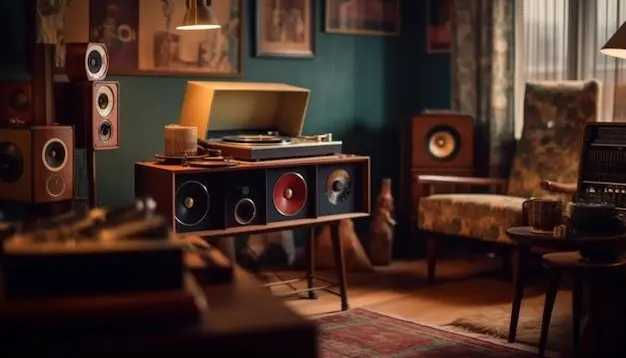
Minimalism is sustained by rituals. Protect hearing with volume caps and intentional breaks. Curate playlists that complement neighborhoods rather than drown them. Journal listening moments like photographs: a sax on a bridge, a lullaby through an open window. Maintain gear gently—wipe pads, rotate tips, charge with care. Invite conversation by sharing mixes and asking for local favorites. These habits compound into ease and delight, making long stays emotionally nourishing, physically comfortable, and sonically memorable without carrying excess or silencing the generous music of everyday life.
Rinoviroloroxari
Privacy Overview

This website uses cookies so that we can provide you with the best user experience possible. Cookie information is stored in your browser and performs functions such as recognising you when you return to our website and helping our team to understand which sections of the website you find most interesting and useful.